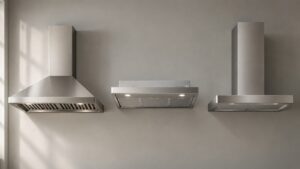
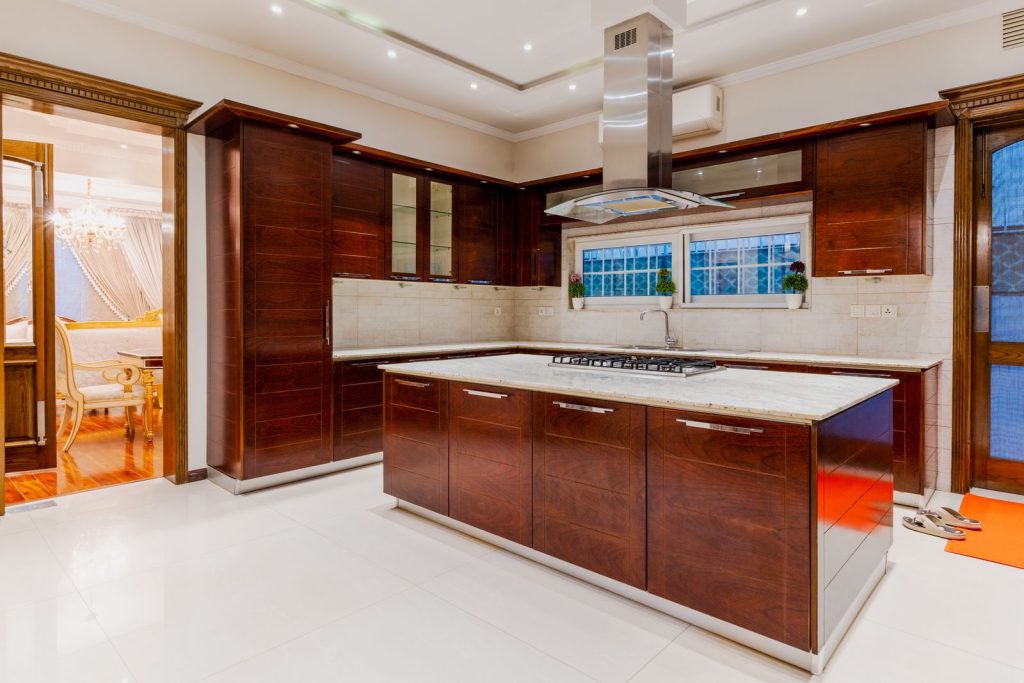
The core of wolf range hood maintenance is the grease filters, because a clogged filter is the single most common reason a Wolf hood loses suction — and the FG/FC reminders exist precisely to keep you on schedule.
Wolf range hoods are symptom-only with no error codes; the only display characters you will see on V-Series hoods are the filter-maintenance reminders FG and FC (with FF confirming a reset), which are housekeeping prompts at roughly 100 hours of use, not problems. We start with the everyday causes you can check yourself, then explain the signs that point to a part that genuinely needs a hands-on repair.
What a wolf range hood maintenance usually means
Wolf hoods pull grease-laden air through metal baffle or mesh filters before the blower and duct. Loaded filters choke airflow and, left long enough, push grease into the duct. The V-Series FG and FC prompts (reset with DELAY, confirmed by FF) are maintenance reminders, not problems; there is no F6 code on Wolf V hoods.
First checks you can do
Start with the checks you can safely do yourself. Each one rules out a common, inexpensive cause, and together they resolve the majority of cases without a service visit:
- Wash the baffle or mesh grease filters in the dishwasher about every 100 hours of cooking.
- Replace recirculating charcoal filters on schedule — they cannot be washed.
- Keep the duct run clear of grease buildup; never run the hood without filters.
- Reset V-Series FG/FC reminders by holding DELAY; FF confirms.
Take these in order and confirm whether the problem has cleared before moving to the next. If you do end up needing help, having worked through them gives the technician a useful head start.
Getting it right for the long run
None of these tasks requires special equipment or much time — the value is in doing them consistently rather than waiting for a problem. Build them into a simple schedule and they stop feeling like chores, while the appliance rewards you with steadier performance, fewer odors and blockages, and a longer life. A neglected burner port, grease filter, or door seal is behind a surprising share of service calls, and every one of those is the kind of problem this routine quietly prevents. If you ever notice a new noise, smell, or drop in performance, treat it as early feedback worth acting on.
It also helps to keep a light record of what you do and when — a note on the day you last cleaned the filters, cleared the burner ports, or ran a descale cycle. That simple habit turns guesswork into a rhythm, so you catch a sticky cap, a loaded filter, or a tired seal before it becomes the symptom that interrupts dinner. On Wolf range hoods in particular, the parts that fail first are almost always the ones routine care protects, which is exactly why a short, regular routine pays back so well.
Putting it together
Work the checks above in the order given. Most Wolf range hood problems of this kind clear at one of the early, owner-checkable steps; the ones that do not point to a specific part and are worth a proper diagnosis rather than guesswork. Move from the simplest cause outward, confirm each step before the next, and treat a returning code or a lingering symptom as your cue to bring in help. A little routine care afterward prevents most repeat calls, since Wolf builds these range hoods to a high standard.
Related reading: Cleaning Wolf range hood baffle filters, Wolf range hood blower not working, and our range hood repair service.
Book Wolf range hood service
If these steps do not resolve it, our experienced technicians repair Wolf range hoods with genuine parts and a 30-day labor guarantee. Schedule a visit, see what our range hood repair service covers, or confirm your model details on the manufacturer’s site at subzero-wolf.com/wolf.