The two letters at the front of a Wolf SO3050 wall oven number carry most of the meaning: SO is a single oven, DO is a double oven with two cavities in one cabinet. The 3050 block that follows says the appliance is a 30-inch unit from the trim generation that the 50 designates, and the letters and suffix after it describe the control and the front. Those first two letters change what can go wrong, which codes the oven can print and what a replacement has to fit into.
What does SO mean next to DO on a Wolf wall oven?
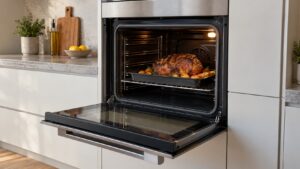
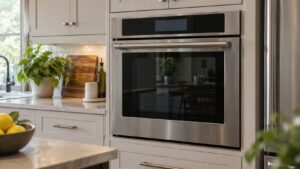
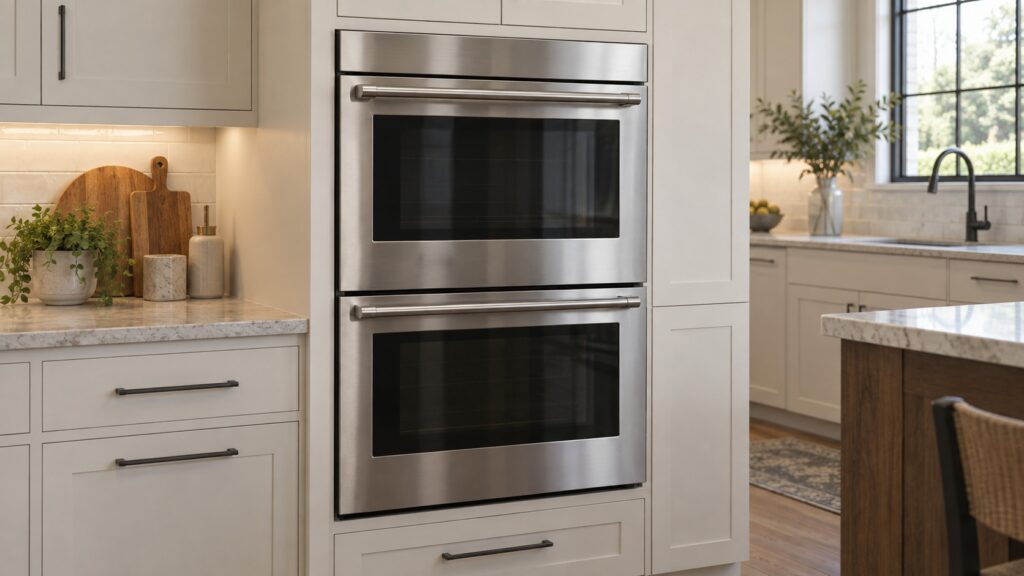
A Wolf SO3050 wall oven has one cavity. A DO3050 has two, one above the other, behind a cabinet opening roughly twice as tall. They are not two trims of the same appliance; they are different products that happen to share a numbering scheme, a width and, in most cases, a control generation.
From a cooking point of view the difference is obvious. From a service point of view it is bigger than it looks, because a double oven carries two of nearly everything: two sets of elements, two temperature sensors, two door latches, and a control arrangement that has to keep both cavities separate while running them from one panel. Roughly speaking, a double oven has twice the parts that can fail and one extra thing besides — the logic that tells the two cavities apart.
That last part is why some Wolf codes only exist on a double. A lower-relay feedback failure is meaningless on a single oven, because there is no lower cavity for it to describe.
Why does the number matter when only half the oven works?
This is the most useful thing the letters do. When one cavity of a DO3050 bakes correctly and the other does nothing, the appliance has just told you a great deal: the supply is fine, the panel is alive, and the fault is downstream of the point where the control splits into two paths. On a single oven the same symptom would be a whole-appliance failure and a much wider search.
Wolf double ovens also report in a way that assumes you know which cavity is which. A code naming the lower oven relay is describing the lower cavity’s power path specifically. Read our guide on the communication error and stuck relay for what a relay fault looks like from the kitchen; the same logic applies in a wall oven cabinet.
When you call about a double oven, say which cavity and say what the other one is doing. Half the diagnosis is in that sentence.
How do I tell an M Series oven from an E Series?
By the letter in the trim block, and then by what the oven does when something goes wrong. This is the distinction that matters most for troubleshooting, because the two generations do not report faults the same way. An M Series control shows a numeric code family of its own; an E Series control reports faults such as a door lock failure or a brownout in its own vocabulary.
If you are trying to place your appliance, two pages on this site do the work. The M Series and E Series glossary entry defines the terms, and the comparison of M Series and E Series wall ovens goes through the differences a buyer notices. For codes specifically, the M Series oven code list is the page to have open when the display shows a number.
The practical rule: a code you cannot find in the M Series list probably means you have an E Series appliance, not that the code is undocumented. Confirming the generation from the plate takes thirty seconds and prevents an hour of reading the wrong page.
Can a DO3050 replace an SO3050 in the same cabinet?
Almost never, and the reason is height rather than width. Both are 30-inch appliances, so the opening is the right width, but a double oven needs roughly twice the vertical space and a cabinet built to carry roughly twice the weight. Going the other way — putting a single oven where a double was — leaves an opening that has to be closed with cabinetry, not with trim.
Three details decide any wall oven swap, and none of them are in the model number:
- Cutout height and width as built, measured in the wall rather than taken from a specification sheet for the old appliance.
- The electrical supply at the cabinet, since a double oven and a single oven do not draw the same load.
- Support under the appliance, which is a real consideration on a tall stack.
Our wall oven installation guide covers what has to be checked before a replacement is ordered. Measure first, then shop; the number narrows the field but the wall decides.
What do the letters after 3050 change?
They change the face and the interface, not the cooking. A professional treatment carries a different handle and panel from a transitional one, and a contemporary version presents a dark glass front instead of a stainless one. Within one cabinet the cooking components are largely common.
Where this becomes a service question is matching. A kitchen with a steam oven stacked above a wall oven was specified as a matched pair, and the trim letters are how that pair was chosen. Replacing one of the two without carrying the same letters produces a stack that never quite looks deliberate. It also matters for the visible parts — doors, handles and control panels are ordered against the full string, not against the family.
What should I read off the plate before calling?
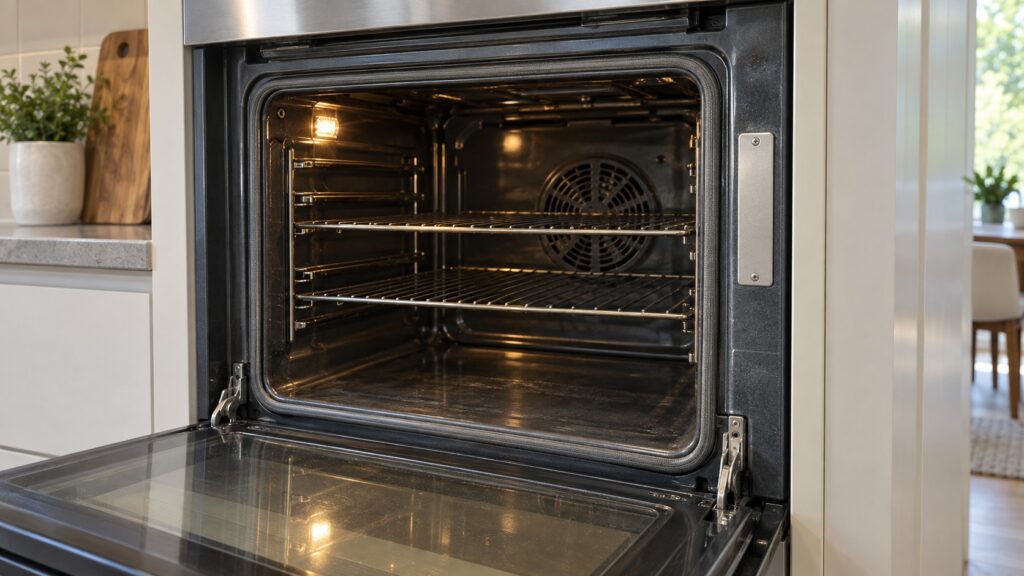
Open the oven door and look along the frame at the left or right edge of the cavity opening; on a double oven, check the upper cavity first. Copy the string exactly as it appears, slashes included, and note the serial number underneath it.
Then add three facts a number cannot carry: which cavity is affected, what the display shows at the moment the fault occurs, and whether the oven ever reaches temperature before stopping. An oven that heats and then quits is a different diagnosis from an oven that never starts heating, and that is true on every generation of the appliance.
We are an independent repair company, not a factory service arm. Pricing starts from a diagnostic visit and we confirm the estimate before any work begins. Call (844) 991-2780 with the plate string to hand, or schedule a visit, and our Wolf oven repair service will arrive knowing whether it is looking at one cavity or two.