Wolf wolf dual verticross convection is the airflow system behind even, multi-rack baking in Wolf ranges and M Series wall ovens — and understanding it helps you tell normal fan behavior from a genuine problem.
Wolf wall ovens come in three families that each use a different, non-overlapping error-code scheme: legacy E Series shows text phrases plus F1 for the door lock, current M Series shows four-digit numeric codes whose first digit groups the problem, and CSO convection-steam ovens show paired F#/E## codes — so the very first step is identifying which family you own before reading any code. We start with the everyday causes you can check yourself, then explain the signs that point to a part that genuinely needs a hands-on repair.
What a wolf dual verticross convection usually means
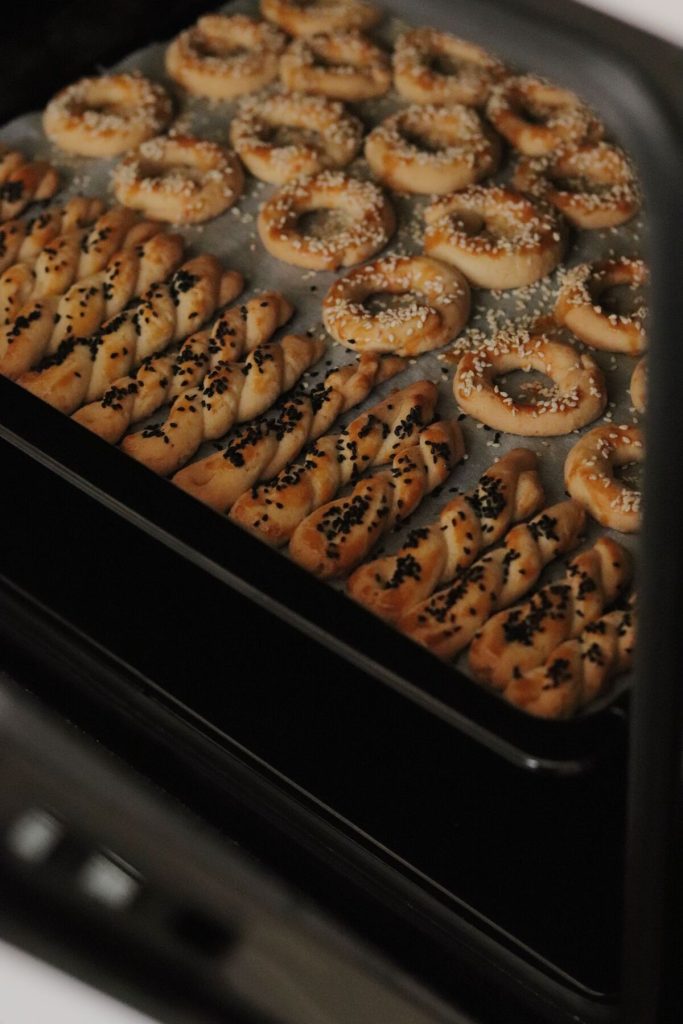
Where a single-fan convection oven pushes air in one plane, Dual VertiCross uses two fans to circulate heated air both vertically and across the cavity. That keeps temperature consistent from the top rack to the bottom, so you can bake several trays at once without rotating them. The faint airflow sound during convection is normal, not a defect.
Understanding how this works pays off twice. First it sets the right expectations, so you can tell normal behavior from a genuine problem instead of booking service over something working as designed. Second, when something does go wrong, knowing the underlying mechanism helps you describe the symptom accurately and points you and the technician toward the right part faster. The details below explain the principle in plain terms, then translate it into what you actually notice while cooking.
Common symptoms and what they point to
Matching the exact symptom to its likely cause is how you avoid replacing the wrong part. Compare what you are seeing to the patterns below:
- Even multi-rack results — the intended outcome of the dual-fan design.
- Faint airflow noise in convection — normal fan operation.
- Grinding or rattling — a worn fan bearing or grease-loaded blade, not normal.
- M Series 4531/4631 — a real “convection fan not detected” problem if the fan fails.
Read these as a practical summary rather than a strict checklist. The thread running through them is that Wolf engineers these systems to behave predictably, so once you know the principle the day-to-day signs make sense and you can act on the right one. Keep the verified details in mind — especially any point that corrects a common misconception — and you will make better decisions about use, upkeep, and when a repair is actually warranted.
Getting it right for the long run
It is worth separating the feature from the problems that can affect it. The technology itself is reliable, but it still depends on the basics being right — clean burners or filters, flat magnetic cookware where induction is involved, the correct mode and settings, and steady power. When one of those slips, the feature can appear to misbehave when the real cause is elsewhere. So if something seems off, check the fundamentals first and only then suspect the feature or its dedicated parts, which is the same logic a Wolf technician applies on a service call.
Knowing the mechanism also makes you a better describer of problems, which matters more than it sounds. When you can tell a technician exactly what you saw and heard, in the right order, the diagnosis is faster and the first part fitted is more likely to be the right one. On a Wolf wall oven, that clarity often shortens a visit and lowers the cost, so the few minutes spent understanding how the system works pay back the first time something seems off.
Putting it together
Work the checks above in the order given. Most Wolf wall oven problems of this kind clear at one of the early, owner-checkable steps; the ones that do not point to a specific part and are worth a proper diagnosis rather than guesswork. Move from the simplest cause outward, confirm each step before the next, and treat a returning code or a lingering symptom as your cue to bring in help. A little routine care afterward prevents most repeat calls, since Wolf builds these wall ovens to a high standard.
Related reading: Wolf M Series oven 4-digit codes, our wall oven repair service, and the range repair service.
Book Wolf wall oven service
If these steps do not resolve it, our experienced technicians repair Wolf wall ovens with genuine parts and a 30-day labor guarantee. Schedule a visit, see what our wall oven repair service covers, or confirm your model details on the manufacturer’s site at subzero-wolf.com/wolf.