The right wolf cooktop maintenance routine depends on whether you have induction, electric, or gas — each fuel fails in a different way, so the upkeep that protects it is different too.
Wolf drop-in cooktops split by fuel: induction (CI) and electric-radiant (CE) carry real verified code sets, while gas (CG) is symptom-only because gas has no code table — so the right first move depends entirely on which cooktop you own and whether a code is even possible. We start with the everyday causes you can check yourself, then explain the signs that point to a part that genuinely needs a hands-on repair.
What a wolf cooktop maintenance usually means
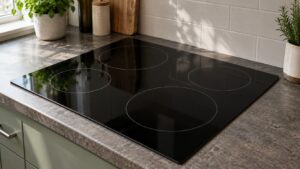
CI induction and CE electric cooktops rely on a clean, dry ceramic-glass surface and capacitive controls; spills bridge the controls and post stuck-key code 22, while a dirty surface can interfere with pan detection. CG gas cooktops, with no codes, just need clear ports and dry igniters to light reliably.
First checks you can do
Start with the checks you can safely do yourself. Each one rules out a common, inexpensive cause, and together they resolve the majority of cases without a service visit:
- Induction/electric: wipe the glass and controls clean and dry; use a ceramic-cooktop cleaner.
- Use flat, smooth-bottomed pans on glass to avoid scratches and improve detection.
- Gas: clear the burner ports with a paperclip and dry the igniters after cleaning.
- Never let liquid sit on the capacitive controls during cooking.
Take these in order and confirm whether the problem has cleared before moving to the next. If you do end up needing help, having worked through them gives the technician a useful head start.
Getting it right for the long run
None of these tasks requires special equipment or much time — the value is in doing them consistently rather than waiting for a problem. Build them into a simple schedule and they stop feeling like chores, while the appliance rewards you with steadier performance, fewer odors and blockages, and a longer life. A neglected burner port, grease filter, or door seal is behind a surprising share of service calls, and every one of those is the kind of problem this routine quietly prevents. If you ever notice a new noise, smell, or drop in performance, treat it as early feedback worth acting on.
It also helps to keep a light record of what you do and when — a note on the day you last cleaned the filters, cleared the burner ports, or ran a descale cycle. That simple habit turns guesswork into a rhythm, so you catch a sticky cap, a loaded filter, or a tired seal before it becomes the symptom that interrupts dinner. On Wolf cooktops in particular, the parts that fail first are almost always the ones routine care protects, which is exactly why a short, regular routine pays back so well.
Putting it together
Work the checks above in the order given. Most Wolf cooktop problems of this kind clear at one of the early, owner-checkable steps; the ones that do not point to a specific part and are worth a proper diagnosis rather than guesswork. Move from the simplest cause outward, confirm each step before the next, and treat a returning code or a lingering symptom as your cue to bring in help. A little routine care afterward prevents most repeat calls, since Wolf builds these cooktops to a high standard.
Related reading: Wolf electric cooktop stuck key (code 22), Wolf cooktop pan not detected (E6), and our cooktop repair service.
Book Wolf cooktop service
If these steps do not resolve it, our experienced technicians repair Wolf cooktops with genuine parts and a 30-day labor guarantee. Schedule a visit, see what our cooktop repair service covers, or confirm your model details on the manufacturer’s site at subzero-wolf.com/wolf.