A few wolf rangetop tips unlock the full range of these pro burners, from a hard sear to a true simmer to wok-speed stir-frying.
Wolf SRT rangetops are gas, cooktop-only pro units with mechanical knobs, an electric spark igniter, and no display, so there are no error codes at all — every diagnosis is symptom-led around power to the igniters, the single shared spark module, the burner caps, and the flame itself. We start with the everyday causes you can check yourself, then explain the signs that point to a part that genuinely needs a hands-on repair.
What a wolf rangetop tips usually means
On Wolf rangetops, this is usually traceable to a short list of causes rather than a dead control board. Working the steps below in order finds the problem fast and tells you when the job is genuinely a service call.
A handful of small habits makes a real difference here, and most cost nothing beyond a moment’s attention. The points below are the ones that consistently separate a Wolf rangetop that performs the way it should from one that quietly underperforms, and they also head off several of the problems that otherwise end in a service call.
Common symptoms and what they point to
Matching the exact symptom to its likely cause is how you avoid replacing the wrong part. Compare what you are seeing to the patterns below:
- Sear on the upper tier — high output for a fast crust.
- Simmer on the lower tier — the gentle tier holds low heat.
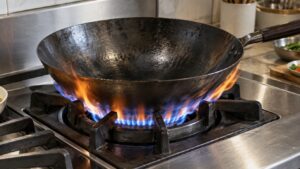
- Use the wok burner — intense heat for stir-fry (48″ configs).
- Seat caps, clear ports — clean ignition, no clicking.
Read these as a practical summary rather than a strict checklist. The thread running through them is that Wolf engineers these systems to behave predictably, so once you know the principle the day-to-day signs make sense and you can act on the right one. Keep the verified details in mind — especially any point that corrects a common misconception — and you will make better decisions about use, upkeep, and when a repair is actually warranted.
Getting it right for the long run
None of this requires special equipment or much time — the value is in doing it consistently rather than occasionally. Build the habits into your normal routine and they stop feeling like chores, while the Wolf rangetop rewards you with steadier performance and fewer surprises. If you notice a new noise, smell, or change in how it runs, treat it as early feedback worth acting on rather than something to ignore until it becomes a breakdown. When something does eventually need attention, an owner who has kept up this routine usually faces a smaller, simpler repair than one who has not.
Small as they are, these habits compound. Used together over a season of cooking they keep a Wolf rangetop performing the way it did on day one, and they quietly head off several of the problems that otherwise end in a service call. None of them ask much of you — a moment’s attention here and there — but the difference between an appliance that is used and cared for as designed and one that is not shows up clearly over the years in both performance and repair frequency.
Putting it together
Work the checks above in the order given. Most Wolf rangetop problems of this kind clear at one of the early, owner-checkable steps; the ones that do not point to a specific part and are worth a proper diagnosis rather than guesswork. Move from the simplest cause outward, confirm each step before the next, and treat a returning code or a lingering symptom as your cue to bring in help. A little routine care afterward prevents most repeat calls, since Wolf builds these rangetops to a high standard.
Related reading: How the Wolf wok burner works, Wolf rangetop maintenance, and our rangetop repair service.
Book Wolf rangetop service
If these steps do not resolve it, our experienced technicians repair Wolf rangetops with genuine parts and a 30-day labor guarantee. Schedule a visit, see what our rangetop repair service covers, or confirm your model details on the manufacturer’s site at subzero-wolf.com/wolf.